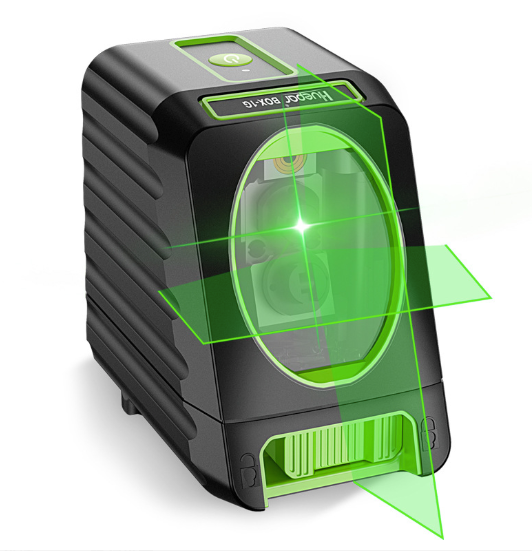
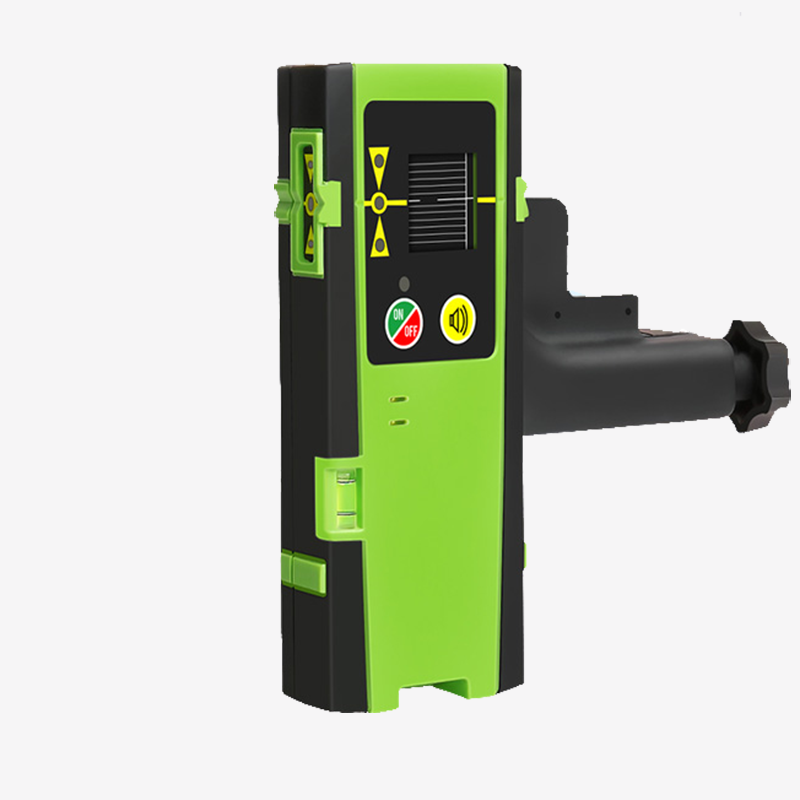
Keep the datum when the laser moves
A reference-mark workflow for keeping a consistent level through a room or between work areas.
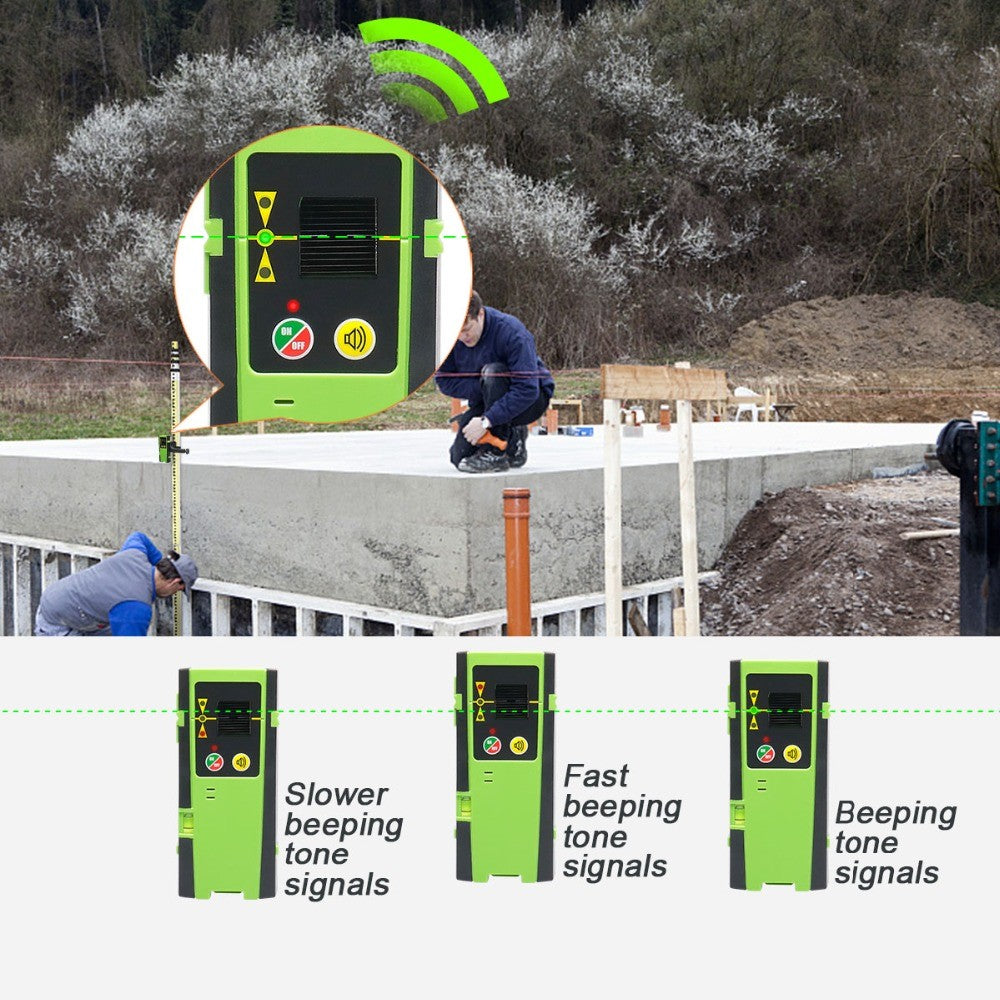
Keep a physical reference and close the check back onto it after a move.
Give the reference a name
Choose a stable point that will remain accessible during the job. Label the reference mark and record what it represents: for example, an arbitrary datum 1,000 mm above a chosen finished level. Protect it from painting, demolition or a moved object.
A laser line is a temporary projection. The written relationship between the datum and the proposed installation is what allows another person to continue the work.
Transfer before moving
Place clear reference marks where the beam can be read, keeping the mark thickness and reading convention consistent. For a move, retain marks that let you restore and cross-check the intended plane; the number and arrangement depend on the geometry of the instrument and task.
After repositioning, allow the instrument to settle and compare the projected line with the retained marks. A disagreement is a reason to stop and inspect the setup, not to quietly split the difference. A loose stand, altered height or disturbed reference can all change the result.
Allow for finished surfaces
THISisCarpentry describes a stair story-pole method that combines a laser datum with the thickness of finished materials. Its worked example adds the upper finish and subtracts the lower finish to establish the rise that matters to the finished stairs.
The transferable lesson is to record surface allowances explicitly. The article uses US dimensions and assumptions; it is not a UK stair-compliance guide. We read it on 21 September 2026 and have not reproduced the installation.
Check the completed work
Return to the original reference where possible and close the transfer loop. Use a suitable independent method for the finished installation and record any mismatch. A sequence of apparently small adjustments can accumulate if every step is referenced only to the last one.
Keep full precision during calculation and round only to the resolution justified by the marking and measurement method. A precise number on paper cannot recover a broad or ambiguous pencil mark.
Sources & evidence
Source observations: 21 September 2026. These references describe the named devices and conditions; they do not establish current UK availability or universal compatibility.
THISisCarpentry: Story Poles for StairsRead on 21 September 2026. A 2008 worked construction example. US dimensions and code assumptions are not UK compliance guidance.THISisCarpentry: Precision Lasers for Demanding ProjectsRead on 21 September 2026. A 2018 US comparison of two samples. Table differences relate to a two-position method, not single-distance error.